

Tizen-powered Linux Phones Coming in 2013
Tizen-powered Linux Phones Coming in 2013
Samsung is to launch a new competitive Tizen-powered operating program this year.
The international leader in consumer electronics has confirmed the new devices will be released in 2013, but has not elaborated on costs or model specifications.
Although Samsung has had its personal share of success with Android and the Galaxy S series, the organization seems to be maintaining a single step ahead by developing its personal alternative platforms for particular markets.
Tizen, an open source, standards-based computer software platform, is supported by leading mobile operators, device manufacturers and silicon suppliers for several device categories such as smartphones, tablets, netbooks, in-vehicle infotainment devices, and sensible TVs.
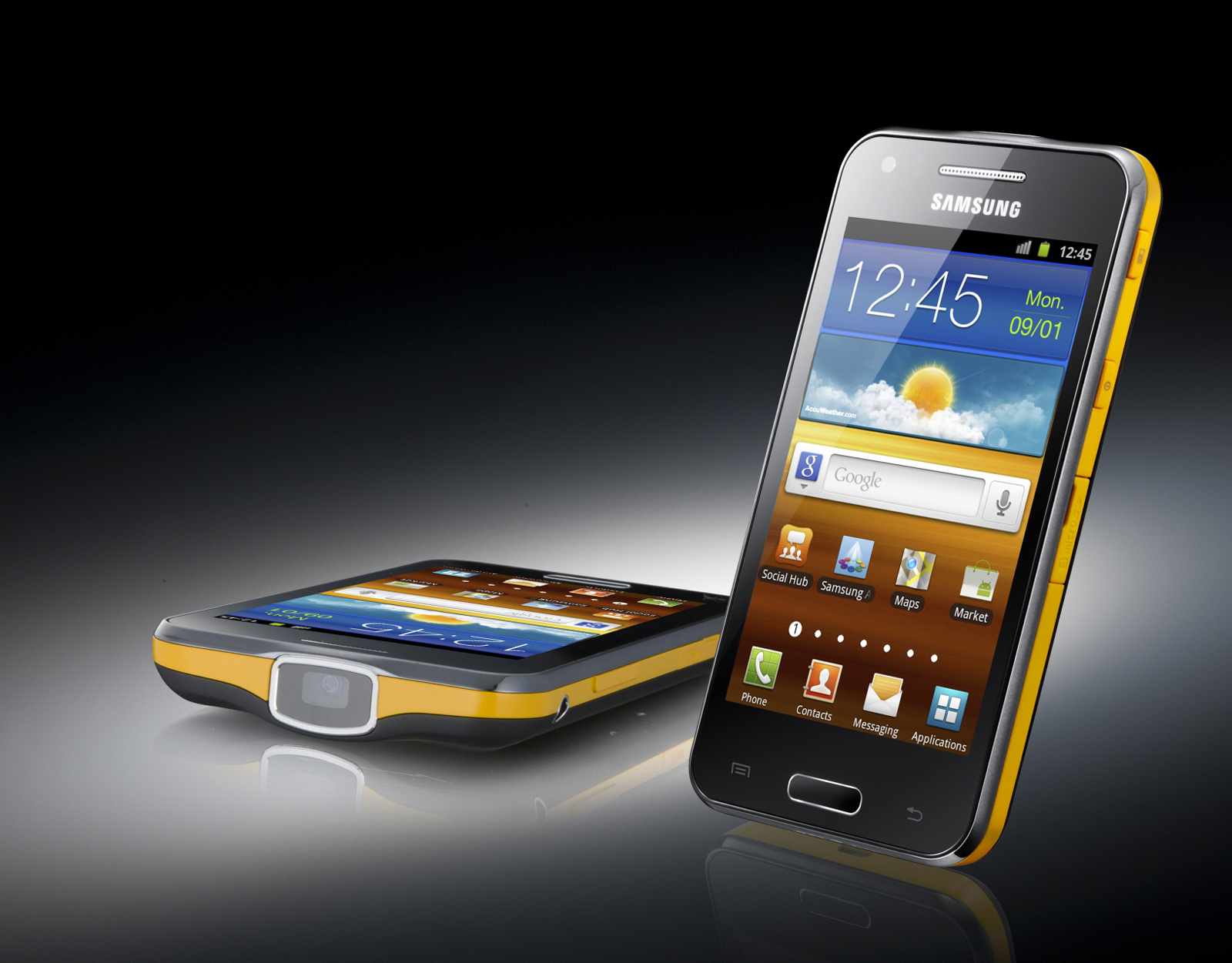
“We plan to release new, competitive Tizen devices inside this year and will preserve expanding the lineup depending on market circumstances,†a Samsung spokesman stated.
The Linux-based open-source operating system is believed to be far more open when compared to Android, the totally free software program offered by Google to handset suppliers, and does not have as a lot of restrictions.
The move is observed to reflect Samsung’s strategy of minimizing its reliance on Google’s Android operating technique, following the world wide web search engine giant bought Motorola Mobility in Might final year.
Though Google’s entry into the handset market upped competition between the likes of Samsung and Apple, cutting-edge developer Samsung ought to not be affected due to its huge and diverse smartphone item portfolio.
Samsung is at the moment the world’s biggest handset manufacturer with 29 per cent of the market place, according to the most current figures from analytics firm IHS iSupply.
Executives from Intel, Samsung, NTT DoCoMo Inc and Vodafone Group Plc formed the Tizen Association last year to help the open-source software.
“The Tizen was born as Samsung hoped to lighten its expanding dependence on Google on concerns that its leading position in the smartphone market place could weaken following the Google- Motorola tie-up,†Byun Han Joon, an analyst at KB Investment and Securities in Seoul, told Bloomberg. “Intel often wanted to increase its presence in the mobile CPU market,†he added.
[Image via eurodroid]
TechBeatCategory:


0 comments